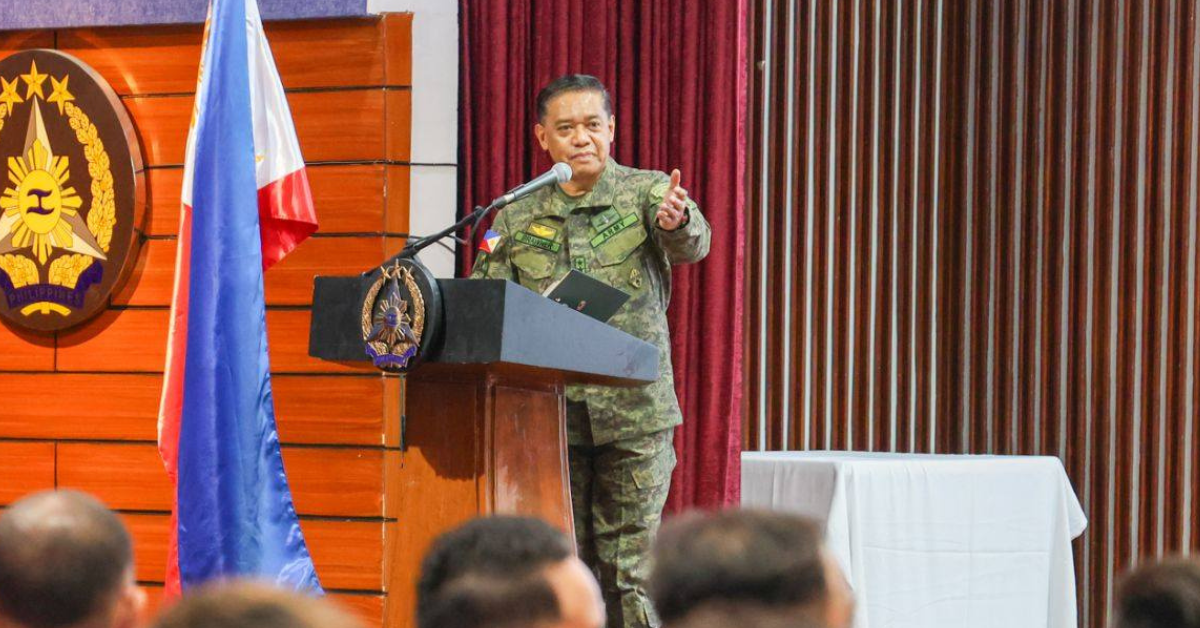
The Armed Forces of the Philippines (AFP) said there is no evidence that the suspects involved in the Bondi Beach attack in Australia trained, coordinated, or carried out terror-related activities while in the Philippines, citing a prolonged decline in local terrorist groups. "We assert what the factual ground data has," Padilla said in a briefing at Camp Aguinaldo, adding that AFP assessments are based on empirical data from field units. The statement comes after an Australian Broadcasting Corp. report cited a senior counterterrorism official claiming the Akram brothers underwent military-style training in the southern Philippines in November. Padilla highlighted that local terrorist groups in the Philippines have suffered a "leadership vacuum" due to sustained government operations since 2016, which have led to the neutralization, arrest, or surrender of senior leaders of groups including the Maute Group, Abu Sayyaf, Bangsamoro Islamic Freedom Fighters, and allied factions between 2017 and 2025. "The loss of senior figures weakened command structures and significantly reduced the ability of these groups to plan, direct, and sustain operations," she said. He cautioned against speculation, noting that multiple agencies are coordinating the ongoing investigation. "Not only the AFP is investigating here, but the other agencies as well," he added. AFP spokesperson Col. Francel Margareth Padilla said Wednesday that the two suspects, Naveed and Sajid Akram, entered the Philippines as tourists on Nov. 1, passed through Manila, and stayed in Davao City for less than a month before leaving on Nov. 28. "Our intelligence operatives are at work. We do not want to speculate on their activities. Now, there are only a few left," Brawner said, referring to remnants of local terrorist groups.